News & Analysis
December 1, 2025
Connecticut’s climate accountability lawsuit is one step closer to trial after a state judge last week rejected ExxonMobil’s attempts to strike the case, delivering a major win for the state’s effort to hold the oil giant accountable for its decades of climate deception.
“ExxonMobil is throwing the kitchen sink at us, trying every angle to invalidate our case,” Connecticut Attorney General William Tong said in a statement. “Once again, they have failed on every count.”
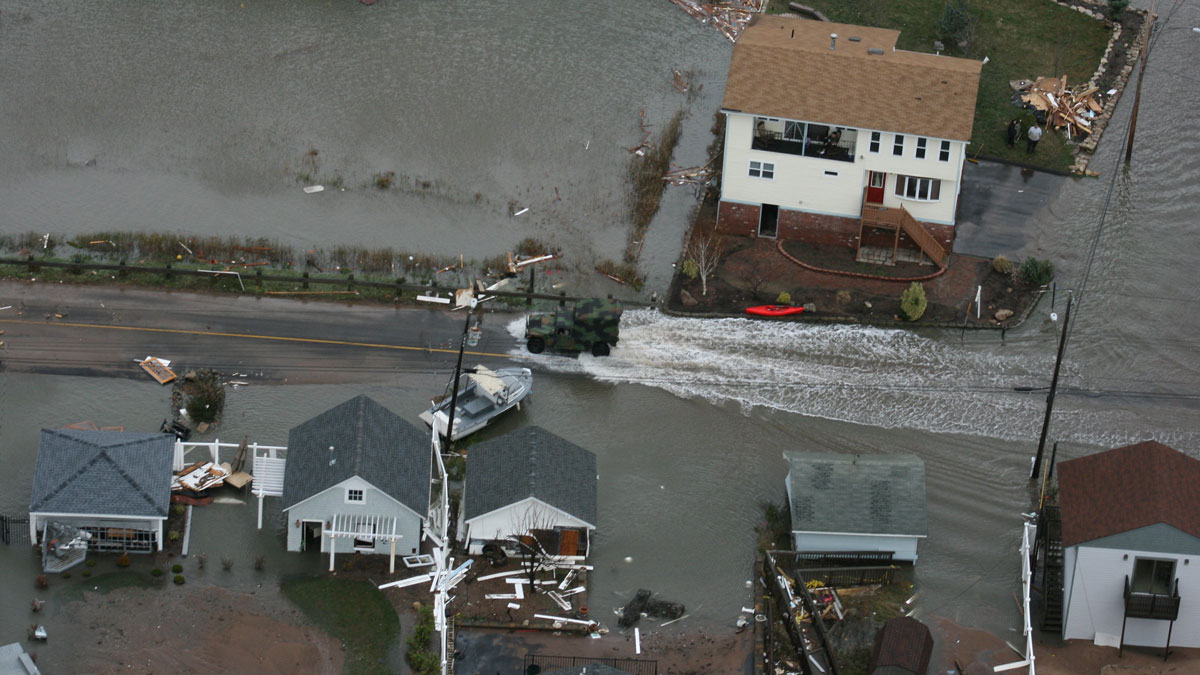
The lawsuit, filed in 2020, argues that Exxon’s historic and ongoing “campaign of deception” about the climate harms of fossil fuels violated the state’s consumer protection law and has inflicted “decades of avoidable harm” and “catastrophic consequences” on Connecticut’s people, infrastructure, and ecosystems. The storms hitting Connecticut’s coastline and flooding communities’ homes have been supercharged by climate change that Exxon knew it was fueling decades ago. By one estimate, sea-level rise caused by climate change created an additional $8.1 billion in damages during Hurricane Sandy, which hit Connecticut in 2012.
In a ruling Wednesday, Connecticut Superior Court Judge John B. Farley rejected all of Exxon’s claims that the state’s case was preempted by federal law, barred by the First Amendment, and other unfounded legal arguments.
“[T]he fundamental objective of the lawsuit,” Judge Farley wrote, is “to remedy the defendant’s alleged unfair and deceptive marketing practices.”
Connecticut’s case — which aims to make Exxon stop deceiving the public, disclose internal climate change research, disgorge profits made while engaging in illegal activity, and fund a “corrective education campaign” about climate change — now enters the discovery phase of litigation.
“Our case is simple and strong — ExxonMobil amassed billions of dollars in profits off a decades-long campaign of lies, and they must be held accountable,” Attorney General Tong said. “We are in the midst of discovery and are aggressively prosecuting this case in Connecticut to uncover and expose ExxonMobil’s lies and to hold the company accountable for the harm their deception has caused.”
As climate accountability cases like Connecticut’s move closer to trial, the oil and gas industry is trying to find ways to block accountability outside the courthouse. Fossil fuel companies are lobbying Congress for a legal shield that would block communities from being able to access the courts and limit the ability of state lawmakers to demand accountability for the industry’s illegal actions. In June, more than a dozen Republican attorneys general proposed creating a “liability shield” for fossil fuel companies modeled on a 2005 law protecting gun manufacturers from lawsuits, and the New York Times later confirmed that securing similar legal protections is a priority for the fossil fuel industry this Congress.
“Exxon and other Big Oil companies are desperate to avoid facing the evidence of their climate lies, but as this ruling makes clear, the people of Connecticut deserve their day in court,” CCI President Richard Wiles said about the ruling. “As the fossil fuel industry lobbies Congress for a ‘get-out-jail-free’ card in cases like Connecticut’s, it’s critical for elected officials to stand up and protect communities’ access to the courts.”