News & Analysis
June 3, 2026
Climate change is driving up the cost of home insurance and fueling a nationwide affordability crisis. But a new study shows there’s a way to turn those losses into economic gains: make the fossil fuel corporations most responsible for the problem pay their fair share.
Today Greenline Insights released a study projecting the economic benefits of New York’s Climate Accountability and Loss Recovery Act (Senate Bill 8585/Assembly Bill 9279), which would empower the state to recoup the climate change-related costs of extreme weather disasters from large fossil fuel corporations — rather than those costs being passed onto everyday New Yorkers through rising property insurance premiums and dropped coverage.
The first-of-its-kind study finds that a successful lawsuit against large fossil fuel corporations for climate-related insurance losses could deliver significant financial benefits to New York households and drive economic growth in the state, including:
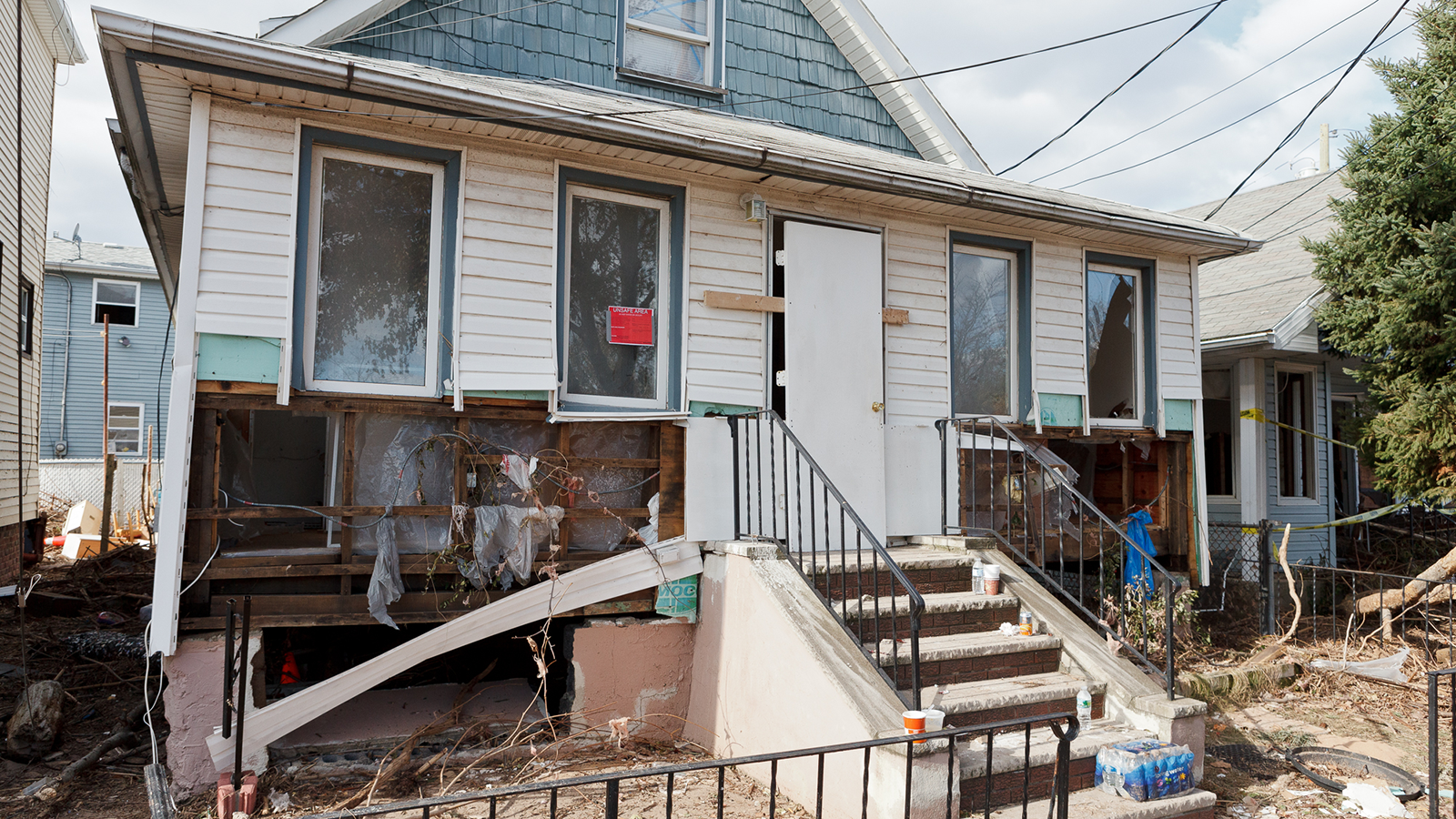
The average New York homeowner is paying $1,000 more annually for insurance since Hurricane Ida — which was made worse by climate change — caused up to $9 billion in damage in the state. Renters are also feeling the pinch, as landlords increasingly pass rising insurance costs onto tenants through higher rents.
Property insurance industry representatives say more frequent damaging weather events are a core driver of higher premiums in New York. According to testimony from the American Property Casualty Insurance Association, the state did not experience more than three billion-dollar weather events in a single year between 1980 to 2003. But in 2024 the state saw 10 separate natural disasters that each caused over a billion dollars in inflation-adjusted losses.
Internal industry documents show that the oil and gas giants have known for decades that their products would supercharge extreme weather disasters, but they deceived the public about the problem and undermined efforts to transition to clean energy. A 1998 “scenario planning” study from Shell even predicted lawsuits stemming from growing insurance losses due to worsening Atlantic hurricanes.
If passed, the Climate Accountability and Loss Recovery Act would empower the state to bring legal cases that make large fossil fuel corporations pay for climate change-related damages, injecting new money into the state’s economy after the next climate disaster, rather than the status quo of the public paying for climate change through higher insurance premiums.
“Everyday New Yorkers are being forced to pick up the tab for climate change through rising home insurance premiums, while the companies most responsible for it pay nothing,” said Richard Wiles, President of the Center for Climate Integrity. “Making the fossil fuel industry pay its fair share would turn financial losses into economic gains — it would mean more money in the pockets of New York families and more money circulating in local economies.”
As extreme weather gets more damaging, premiums rise and the Trump administration dismantles federal disaster aid, New York is joining states like California and Hawai’i in advancing legislation aimed at making Big Oil pay for climate damages upending property insurance nationwide.
A March statewide poll by Data For Progress found that more than two-thirds of New York voters support the idea of suing Big Oil to recover the climate-related costs of extreme weather disasters.