News & Analysis
February 3, 2026
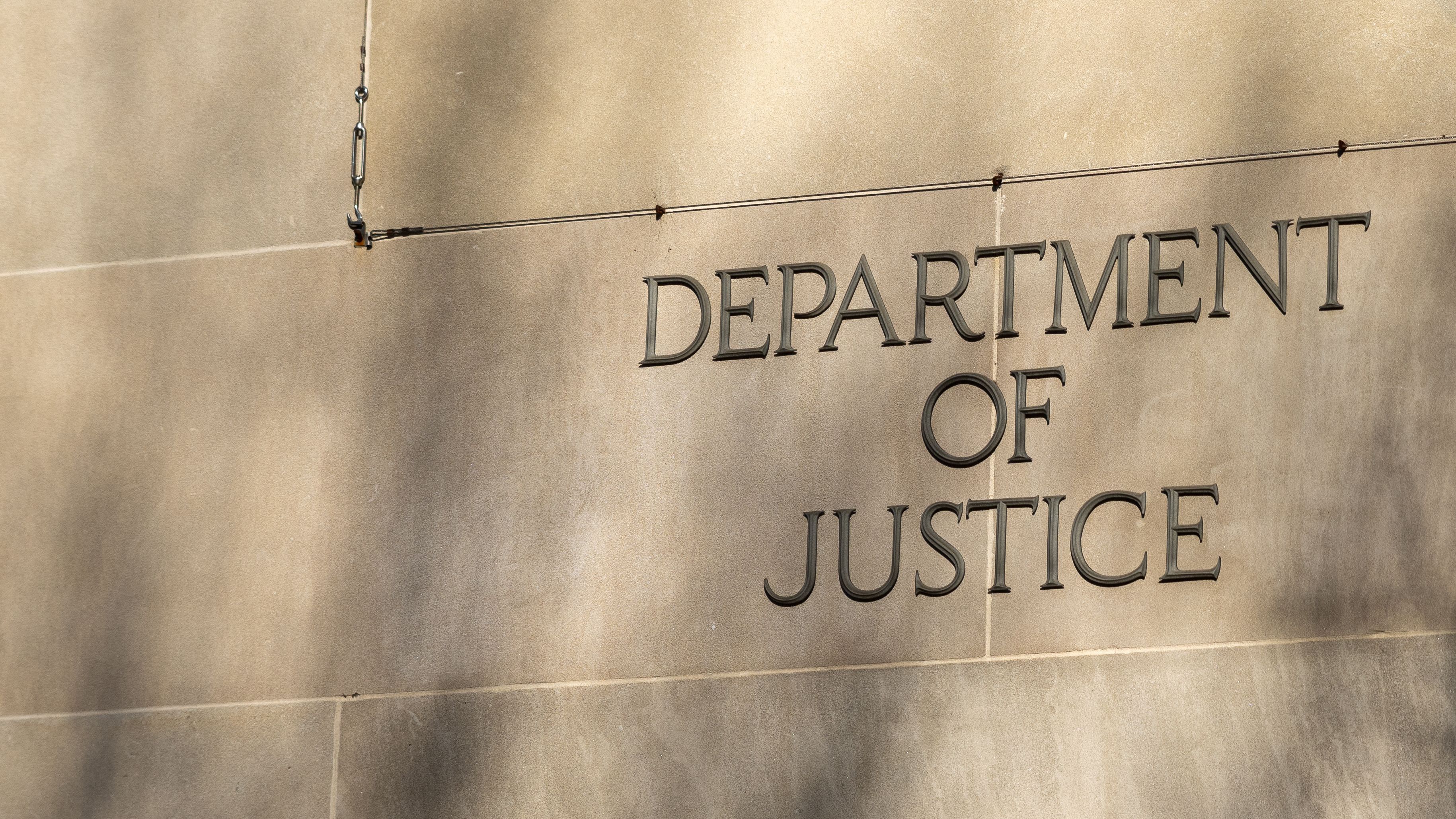
One of two lawsuits the Trump administration filed last year to block states from taking Big Oil companies to court was dismissed by a federal judge in January. The judge ruled that the Justice Department’s preemptive lawsuit seeking to stop Michigan Attorney General Dana Nessel from suing fossil fuel companies for climate deception was “not ripe.” The same week, Michigan filed a major antitrust lawsuit in federal court against four Big Oil companies and their largest trade association for conspiring to block renewable energy and drive up costs for consumers.
“This lawsuit was a cynical attempt by the Trump Administration to intimidate my office into abandoning our responsibility to hold powerful corporations accountable for putting profits ahead of the health, safety, and energy affordability of Michiganders,” said Attorney General Nessel. “I am relieved the Court saw through this and dismissed this frivolous case. My office will not be bullied, and we will continue to stand up for the people of Michigan, no matter how domineering the interests we face.”
The U.S. Justice Department (DOJ) had sued Michigan and Hawaiʻi in 2025 after President Trump ordered the department to take “all appropriate action to stop” lawsuits against fossil fuel companies. The order followed a meeting between Trump and fossil fuel CEOs, who raised concerns over growing efforts to hold the oil and gas industry accountable for its climate lies. The DOJ also sued Vermont and New York for enacting climate superfund laws that require polluters to pay for climate damages; these cases are still pending. Fossil fuel companies are now lobbying Congress for a liability waiver that would block communities’ efforts to hold them accountable through lawsuits and legislation.
At the time of the filing of DOJ’s lawsuits against Michigan and Hawaiʻi, Attorney General Nessel called the move "frivolous," adding that “perhaps if [Big Oil companies] are desperate enough to request this unprecedented preemptive intervention, they are more concerned over our potential claims than they have led on.”
Hawaiʻi filed its lawsuit against Big Oil the next day; the state’s motion to dismiss the Trump administration’s lawsuit is still pending.
In a detailed ruling, United States District Judge Jane Beckering found that an analysis of the federal government’s lawsuit against Michigan “lead inescapably to the conclusion that this action is not ripe for judicial review.”
“The federal government has failed to cite any case in which a court has preemptively enjoined a party from bringing a broad swath of unspecified claims against unspecified members of a given industry simply because that party has begun investigating whether a litigation strategy may have merit,” Beckering wrote.
Michigan is suing ExxonMobil, Chevron, Shell, BP, and the American Petroleum Institute for restricting renewable energy competitors to illegally gain dominance over the market, fueling the energy affordability crisis while concealing the climate harms of their products.
“At its heart, this is a case that is squarely about energy affordability, to combat the affordability crisis that we’re seeing in Michigan right now,” Attorney General Nessel told a local news outlet. “It’s our firm belief that fossil fuel companies conspired together to restrain trade and to limit competition in violation of federal and state antitrust laws, and in doing so they drove up energy costs and limited energy options for Michigan consumers.”