News & Analysis
March 4, 2026
Hawaiʻi residents are paying more for home insurance and rent due to escalating damage from climate-driven extreme weather disasters like the 2023 Maui wildfires. A new poll shows that state voters are not pleased about that and want to make Big Oil pay its fair share for the problem it created and spent decades lying to the public about.
Hawaiʻi’s insurance market is in turmoil. In recent years average home insurance premiums rose by as much as 50% and non-renewals of policies have more than tripled in the state. Hawaiʻi lawmakers have responded with Senate Bill 3000, which would empower the state’s Attorney General to take large oil and gas corporations to court over climate change-driven extreme weather events that spike the price of home insurance.
A new poll of registered voters, administered by Hawai’i-based Ward Research and commissioned by the Polluters Pay Hawai’i coalition and the Center for Climate Integrity demonstrates that Hawai’i voters are very concerned about the problem. Results show that the public understands that worsening extreme weather disasters like the Maui fires are raising insurance costs, and they support the idea of making Big Oil pay their fair share of the climate-related costs that are driving up premiums:
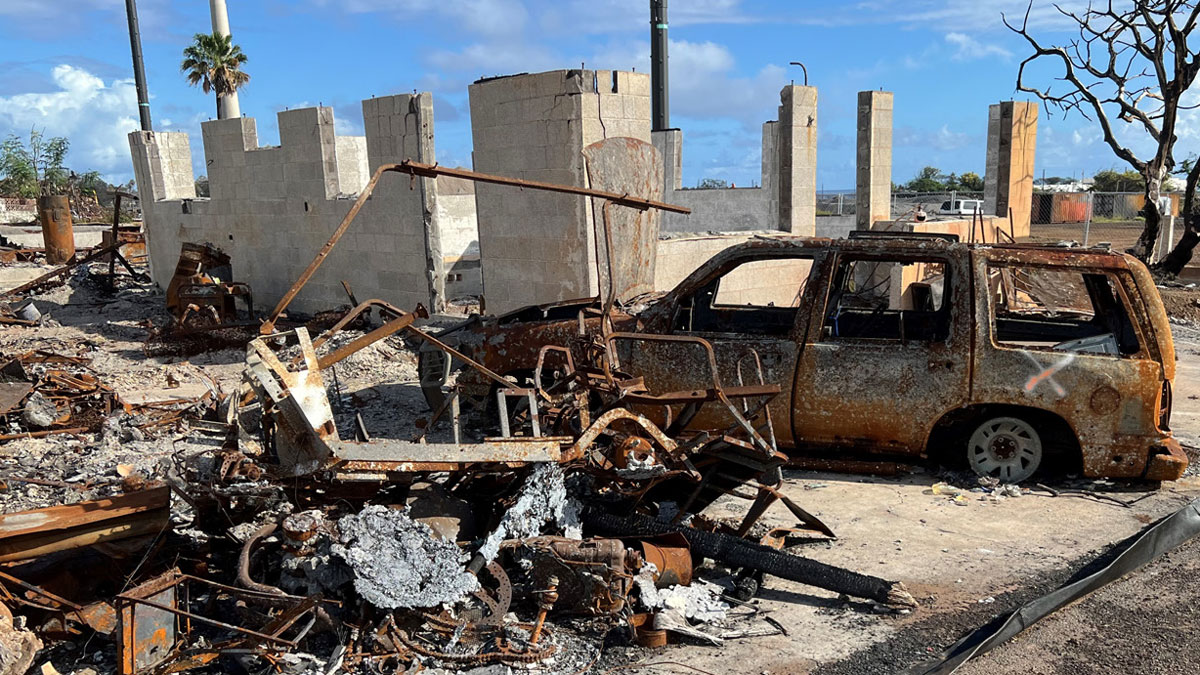
The Maui fires, which were made worse by drought conditions, caused more than $5.5 billion in damage, and insurance companies are making up for their fire-related losses by raising premiums. The state’s Insurance Department said in a recent report that insurance companies consider Hawaiʻi a “highly exposed” state due to the risk of wildfire, hurricanes and tsunamis and warned that the state lacks long-term funding sources for its insurer of last resort program, which would be stressed by the next weather disaster.
Senate Bill 3000, sponsored by state Senator Jarrett Keohokalole, would help stem the tide of rising premiums by giving the state new tools to make Big Oil pay their fair share of the costs of disasters made worse by climate change, rather than the status quo of those costs being passed through to the public.
“As climate-fueled extreme weather disasters become more frequent and severe, Hawaiʻi’s working families and taxpayers are absorbing these costs. That’s not fair — and it’s not inevitable,” he said in a recent column. “Climate change didn’t happen by accident, and not everyone shares equal blame … Hawaiʻi taxpayers should not be forced to foot the bill for Big Oil’s deception.”