News & Analysis
March 2, 2026
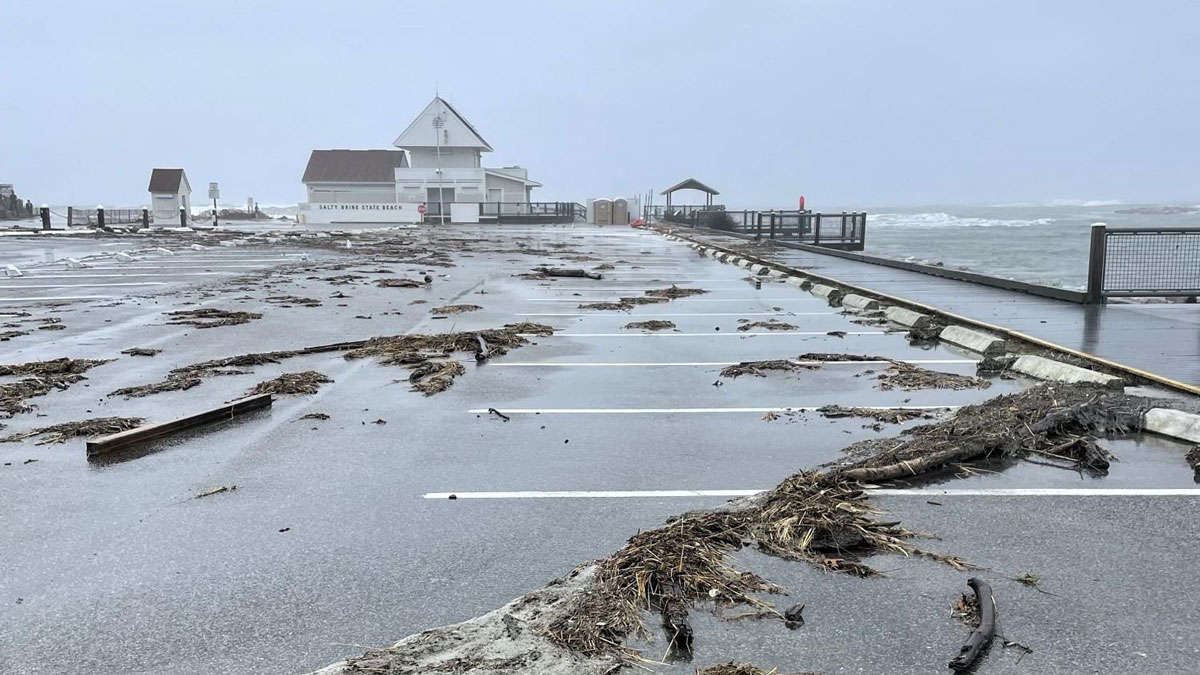
As a small coastal state, Rhode Island has a lot to lose from the rising seas and coastal flooding that come with fossil fuel-driven climate change. And Rhode Islanders pocketbooks are already feeling it — most directly through home insurance that keeps getting more expensive and harder to secure.
Now state leaders are trying to address this growing driver of the affordability crisis with a measure that would make the oil and gas giants most responsible for the climate crisis pay their fair share of its costs.
House Bill 7752, sponsored by Rhode Island Rep. Terri-Denise Cortvriend, would encourage insurance companies to take Big Oil to court to recover climate change-driven losses, rather than passing those costs on to their policyholders through higher rates. And it would help communities recover from extreme weather disasters by empowering victims and survivors to bring legal action against Big Oil for their contribution to climate change.
The bill is the latest in a growing trend of states seeking a fairer way to deal with the rising costs of climate change, which is projected to cost Rhode Island at least $2.9 billion in the coming years. California, Hawaiʻi and New York have introduced bills that would give their attorneys general additional legal tools to bring large oil and gas corporations to court after a disaster worsened by climate change. With House Bill 7752, Rhode Island now joins Illinois in advancing bills to empower individuals to take Big Oil to court over climate damages.
Insurance companies are passing the growing costs of climate change onto their policyholders through higher premiums — average rates in Rhode Island are up by at least 23% between 2021 and 2024. Some companies are abandoning the state altogether, dropping people from their policies and refusing to issue new ones due to the escalating risk of extreme weather disasters. According to a 2024 report from the U.S. Senate Banking Committee, Rhode Island’s Washington and Newport counties are seeing some of the highest rates of non-renewal in the entire country, as insurers walk away from regions at risk of sea level rise and storm surges.
It’s not fair that Rhode Islanders are getting stuck with these climate costs while polluters pay nothing. Large oil and gas corporations knew decades ago that the continued use of their products would fuel catastrophic extreme weather events. Instead of disclosing the risks, they waged a decades-long campaign to deceive the public and policymakers in order to stall the energy transition and protect industry profits.
With the Trump administration making draconian cuts to federal disaster response and politicizing disaster aid, it’s never been more important that Rhode Island have every tool in the toolbox to protect its residents from rising costs in the aftermath of the next climate disaster.
“We know now that fossil fuel companies have known for much longer than they’ve disclosed to the public — much like the tobacco industry — that their products are harmful to the public,” Rep. Cortvriend said at a February 26 legislative hearing. “Right now ratepayers are paying more for insurance, the government is paying more for repairs…and individuals are paying more. The only people that aren’t paying [for climate damages] is Big Oil.”