News & Analysis
July 31, 2026
The gas industry had a problem in the late 1980s. After spending decades peddling the false idea that natural gas was a clean fuel, the lack of evidence to back up that claim was becoming more noticeable as scientific advancements raised concerns about the harmful impacts of methane.
The gas industry needed an answer it did not have to the growing concern about methane emissions from gas infrastructure, which contradicted the “clean” image the industry had carefully cultivated. So the industry filled the void with an answer of its own.
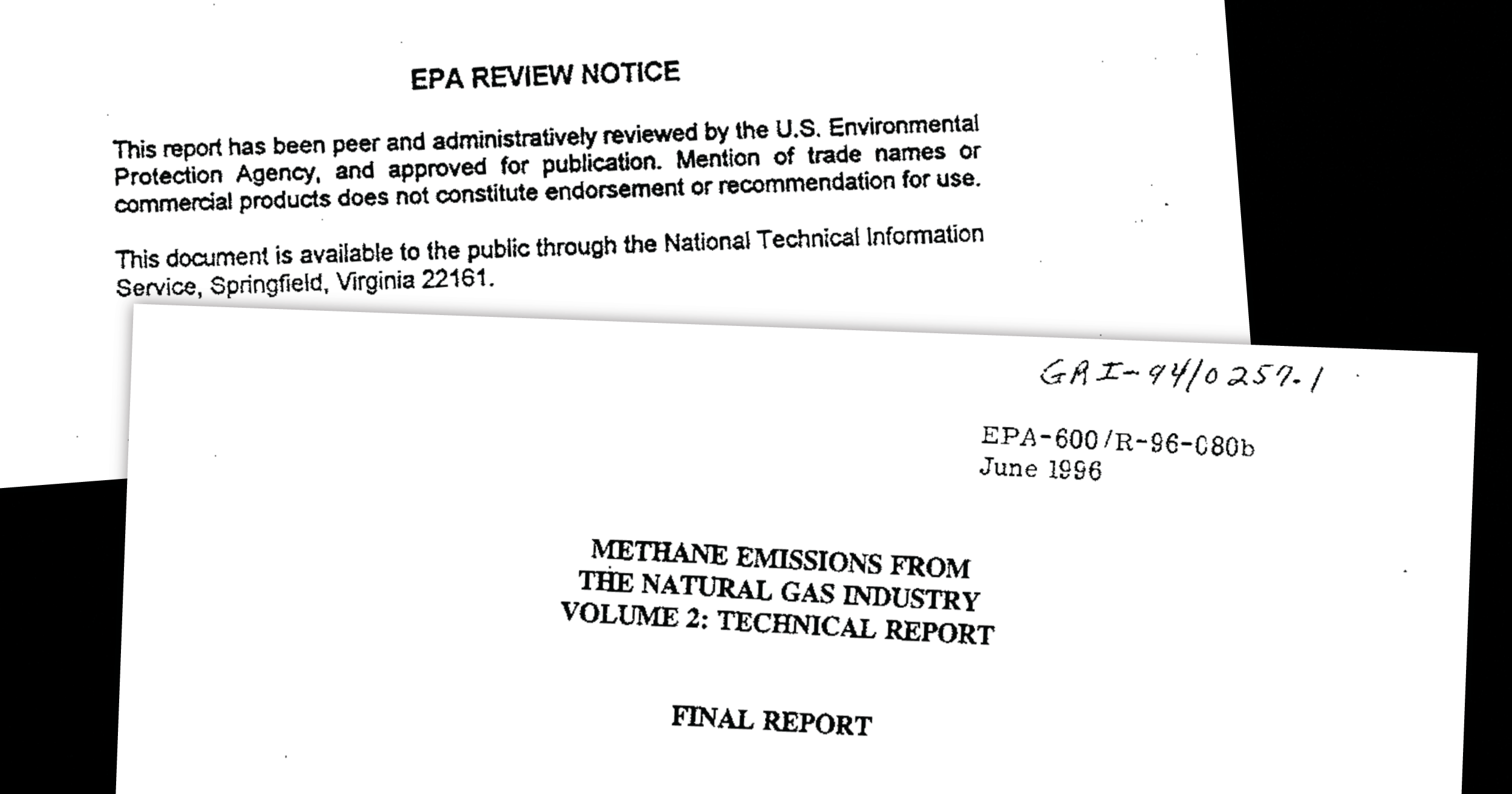
The Gas Research Institute (GRI), which was directed by major oil and gas companies, partnered with the Environmental Protection Agency (EPA) to produce “a scientifically valid understanding of the implications of increased gas use on the global climate.” In reality, according to new revelations in CCI’s most recent investigation “The Fraud of ‘Clean’ Natural Gas,” the joint study published in 1996 was tightly controlled by the gas industry and produced results that were then used to downplay concerns about methane emissions.
How a 1996 study on methane emissions from natural gas—published by the gas industry in partnership with the U.S. EPA—allowed the oil and gas industry to fend off emissions regulations, cement the myth of “clean” natural gas, and pave the way for the 2000s fracking boom. ��
— Center for Climate Integrity (@climateintegrity.org) July 30, 2026 at 2:12 PM
[image or embed]
For years, gas companies had been misrepresenting the harms of natural gas. Gas companies used front groups, advertising campaigns, and other deception methods to present natural gas as a clean fuel to the public, despite knowing the significant climate and health harms of methane. As methane emissions gained attention into the 1990s, the gas industry’s research and development group, GRI, became a primary vehicle for selling gas as a climate solution. Industry leaders were confident the study’s results would “ease the concerns some have expressed with respect to methane emissions from the natural gas system,” Enron’s CEO Kenneth Lay said years before the study was published.
“To defend gas as a climate solution, the industry attempted to fill the data void by sponsoring a major study designed to deliver a favorable answer to the methane emissions question,” the CCI report authors explain. “And in a move that would provide a patina of objectivity and yield benefits for decades to come, this work would be conducted in partnership with EPA.”
The gas industry was involved at every level of the study, from determining methods and frameworks to providing the data on methane emissions from a self-selecting sample of sites. More than 60 of the 96 study advisors and reviewers were from the gas, oil, and utilities industries.
At the time the study neared completion, the EPA’s project manager admitted the agency lacked the in-house technical ability and capacity to review the findings. Instead, the EPA relied on a panel staffed by oil and gas industry representatives to provide the final technical review, effectively removing the final opportunity for independent scrutiny of the precedent-setting study.
“We simply do not have the expertise,” wrote an EPA official at the time. In a handwritten note from internal documents uncovered by the report authors through a Freedom of Information Act request, EPA’s Deputy Division Director wrote that the agency was “unlikely to find problems even if they exist” in the methodology of the study.
The study was published in 1996 and declared that the methane emissions from the entire gas system in the U.S. was just 1.4% of all gas production — a number that supported the claim that natural gas was more environmentally friendly than coal or oil.
Armed with evidence from an industry-controlled study with a stamp of approval from the EPA, oil and gas companies used the findings to bolster their argument for clean natural gas. “[M]ethane: no drawback,” claimed an industry magazine from the Gas Research Institute in 1996 in its promotion of the same study, declaring that increased gas use could actually reduce greenhouse gases.
The joint industry and EPA study has been cited for decades as evidence of low emissions from the natural gas system, despite public criticism from scientists beginning around 2010. An EPA report in 2014 recognized problems with the study’s calculation of emissions factors, noting that “Uncertainties in these EPA/GRI EFs [emissions factors] raise questions about the validity” of the data, methods, and processes. Overall, the study had “a high level of uncertainty,” concluded the EPA.
The gas industry’s fraud has had lasting impacts on the continued use and beliefs about natural gas. Natural gas use in the United States has increased dramatically in the decades since the industry first started pushing the myth of “clean” natural gas, locking the United States into decades of additional fossil fuel use. The industry’s deception affects public views today: a recent poll from Data for Progress and CCI that showed 50% of respondents still consider natural gas a clean energy source.