News & Analysis
September 14, 2026
As communities struggle with the growing costs to protect their residents from climate threats, nonpartisan groups that represent local governments are urging the U.S. Supreme Court to affirm their authority to seek damages from Big Oil companies whose climate deception has fueled the crisis.
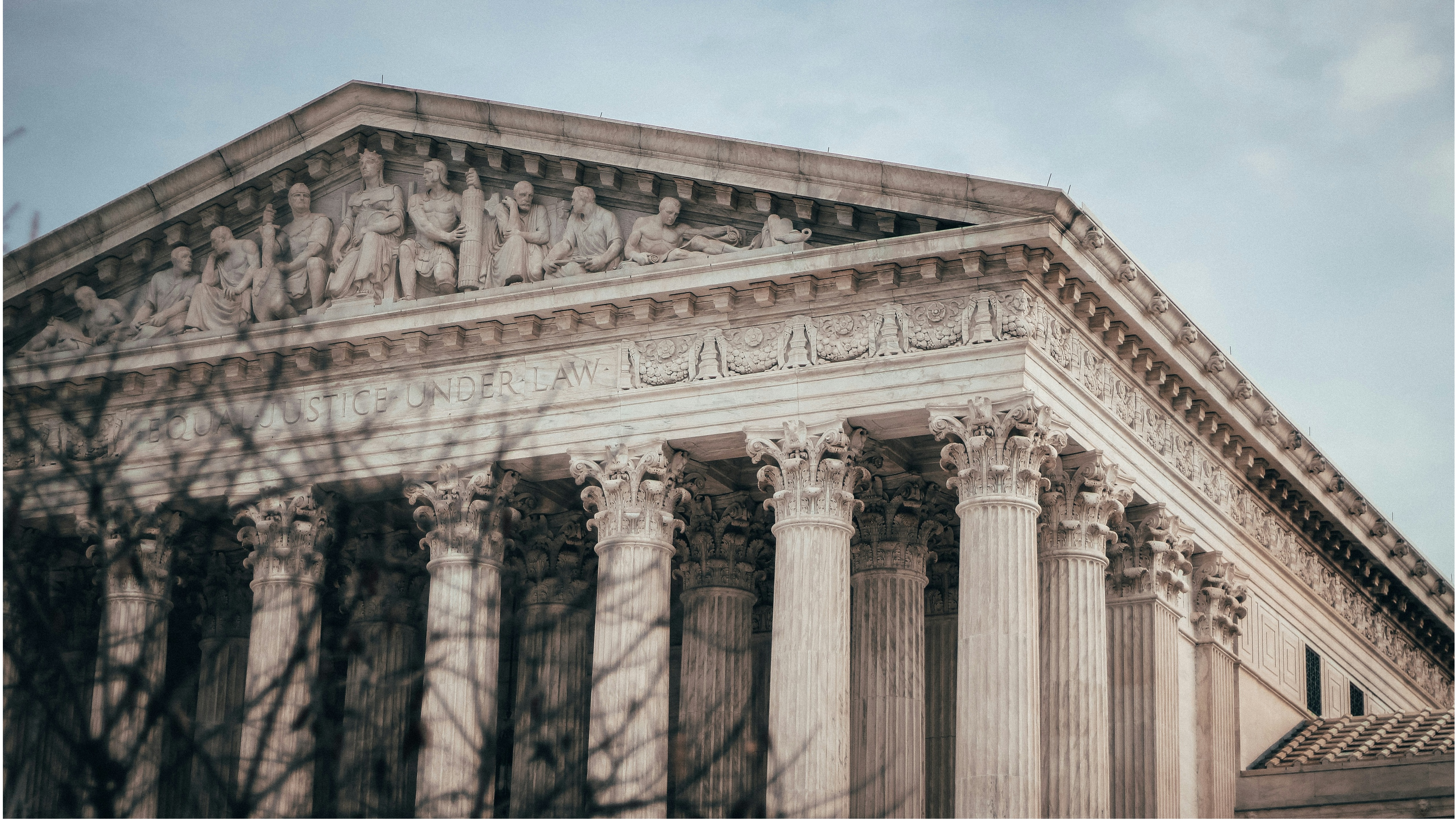
On October 5, the high court will hear ExxonMobil and Suncor Energy’s arguments to escape trial in a lawsuit filed by the City and County of Boulder, Colorado. The case seeks to hold the oil companies accountable for lying to the public about the role their product plays in advancing climate change and make them pay for local damages caused by that deception. Among the many voices calling on the justices to allow the people of Boulder to have their day in court are two groups that represent thousands of municipal and county governments across the country, the National Association of Counties (NACo) and the National League of Cities.
“Faced with deceptive and injurious conduct, local governments have the responsibility to take action despite the efforts of wrongdoers to divert and delay,” the groups wrote in a brief to the court last month.
The groups pointed to the vulnerability that communities across the U.S. face from wildfires, droughts, sea level rise, more frequent and severe storms, deadly heatwaves, and other climate harms.
“It is little wonder, then, that local governments bear an enormous burden when their efforts to address the harms they experience resemble a Sisyphean task due to the fossil fuel industry’s allegedly repeating misconduct,” the brief says. “This Court should not stop this process of seeking accountability for the industry’s role in causing the damage local government must remediate.”
NACo has also passed resolutions multiple years in a row opposing any attempts to give oil companies immunity from laws or lawsuits seeking to hold them accountable for their role in the climate crisis, like the current federal legislation introduced by Big Oil’s allies in the House and Senate. The legislation is expected to be heard by the House Judiciary Committee September 16, showing Big Oil’s allies’ intent to grant the industry sweeping legal immunity by the end of the current congressional term.
The fact that Big Oil’s deception has harmed communities across the country does not mean that lawsuits like Boulder’s are preempted by federal law, the groups explained in response to Big Oil’s main argument to escape accountability.
“That multiple parallel lawsuits exist around the country does not establish that the issue is federal in nature…, but instead highlights the adverse impact on local government and their constituents that results from a misleading marketing scheme,” NACo wrote. “When other industries have engaged in similar misrepresentations about the safety or healthfulness of their products, no preemptive effect has stopped those lawsuits – and none should here.”
Two gun violence reduction groups — the Brady Center to Prevent Gun Violence and Giffords Law Center to Prevent Gun Violence — made a similar argument in a brief that pointed to the long history of municipalities bringing common law litigation against parties to address local harms that have national, or even international, reach, such as lawsuits against firearms, tobacco, and opioid manufacturers.
“Longstanding legal doctrines and coordination tools already do much of the work that petitioners want their rule of constitutional preclusion to accomplish, and they do so without shutting the door on suits that have long been a critical component of the States’ police powers,” the brief states.
Dozens of other groups, including legal scholars, deception experts, members of Congress, Colorado ranchers, and more, have all urged the Supreme Court to reject Big Oil’s arguments and allow the people of Boulder to have their day in court.