News & Analysis
May 4, 2026
In the latest win for communities fighting to hold Big Oil companies accountable for their climate lies, a Washington state court ruled that lawsuits filed by two Pacific Northwest Tribal governments against ExxonMobil, Chevron, Shell, and other oil majors can advance toward trial. Judge James Rogers joined a growing number of courts in rejecting Big Oil companies’ arguments that climate deception lawsuits are preempted by federal law. The U.S. Supreme Court will consider the question of federal preemption in a similar climate deception lawsuit later this year.
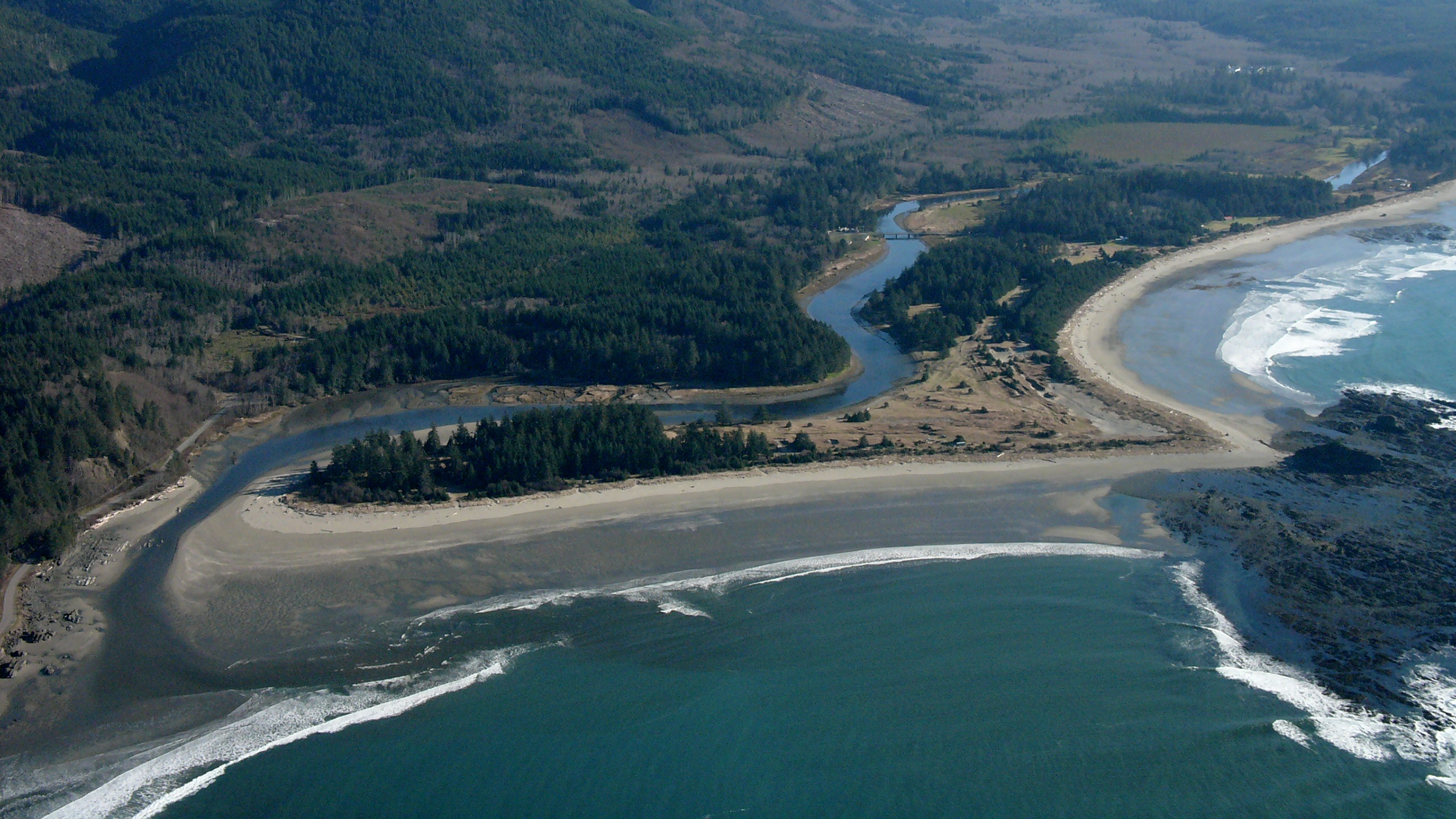
The Makah Indian Tribe and Shoalwater Bay Indian Tribe — two federally-recognized sovereign Native Nations that have resided in present-day northwest Washington State for millennia — filed separate cases in 2023, charging the fossil fuel giants with violating Washington State law and seeking to make them pay for damages caused by sea level rise, flooding, and many other climate-fueled harms that Big Oil knowingly fueled through decades of climate deception. Sea level rise caused by climate change is forcing both Tribes to relocate to higher ground, away from lands where they have lived for time immemorial.
“We are seeing the effects of the climate crisis on our people, our land, and our resources. The costs and consequences to us are overwhelming,” said Makah Tribal Council Chairman Timothy J. Greene, Sr. when the case was filed. “We intend to hold these companies accountable for hiding the truth about climate change and the effects of burning fossil fuels. And we aim to force them to help pay for the high costs of surviving the catastrophe caused by the climate crisis.”
In an effort to escape accountability, fossil fuel defendants mischaracterized the Tribes’ claims as an attempt to regulate the oil companies’ emissions, and argued that such regulation was preempted by federal law. In reality, the Tribes’ cases target deceptive marketing Exxon and other fossil fuel companies used to promote public uncertainty of climate science despite internal knowledge that their products were fueling climate change. Federal law, Judge Rogers wrote, “does not preempt the Tribes' claims because it […] does not speak to deceptive marketing.” In addition to rejecting the mischaracterization of the lawsuits, the judge also affirmed that no statute of limitations barred the cases from moving forward.
In another climate deception lawsuit filed by Boulder, Colorado, the U.S. Supreme Court granted Exxon’s request to review a Colorado Supreme Court ruling that also found federal law did not preempt the case. The Colorado Supreme Court is one of three state supreme courts to have considered Big Oil defendants’ preemption arguments in similar cases. In 2024, the Hawai`i Supreme Court rejected Big Oil defendants’ mischaracterization and ruled that Honolulu’s climate deception case was not preempted. Just this March, however, the Maryland Supreme Court accepted the fossil fuel companies’ preemption argument and upheld the lower courts’ dismissal of three local climate accountability cases.
In Boulder’s case, the U.S. Supreme Court added a second question: whether the Court has jurisdiction to hear this case at its current stage. Arguments on those questions are anticipated this fall.
As the Tribes’ cases and others move into discovery and toward trial, Big Oil companies are seeking a liability shield that would block them from facing any accountability for their climate deception and destruction. Senator Ted Cruz (R-TX) and Representative Harriet Hageman (R-WY) have introduced legislation that would give the fossil fuel industry legal immunity from laws and lawsuits that aim to hold Big Oil accountable for its role in the climate crisis.