News & Analysis
September 21, 2026
Even as fossil fuel-driven climate change upends home insurance markets nationwide, the insurance industry is coming to the legal aid of Big Oil corporations that knew and lied to the public about their products’ contribution to climate chaos.
Three of the largest insurance industry trade groups in the country recently weighed in to support ExxonMobil and Suncor Energy in a pivotal case to be heard by the U.S. Supreme Court next month. The court’s ruling in Suncor v. Boulder could have a major impact on dozens of state and municipal governments seeking to hold fossil fuel companies accountable for deceiving the public about the climate risks of their products — and the billions of dollars in climate-related damages that have followed. The Court will hear oral arguments in the case October 5 and a ruling is expected next year.
Major insurance industry groups, led by the American Property Casualty Insurance Association (APCIA), filed an amicus brief in the case, arguing that the Supreme Court should block state lawsuits like Boulder’s because they allegedly introduce “uncertainty and risk” that would require insurers to charge more for the legal liability insurance they sell to oil companies.
But as former California Insurance Commissioner Dave Jones argued in a response brief filed with the court, the insurance companies are leaving out the fact that ordinary Americans — who make up the vast majority of their customer base — are already facing an insurance crisis due to climate change-driven extreme weather disasters.
The insurance industry’s brief “does not reflect the insurance crisis confronting homeowners who make up the vast majority of their members’ clientele, nor does it reflect the real source of ‘unpredictability and uncertainty’ upending insurance: climate change,” Jones noted in his response.
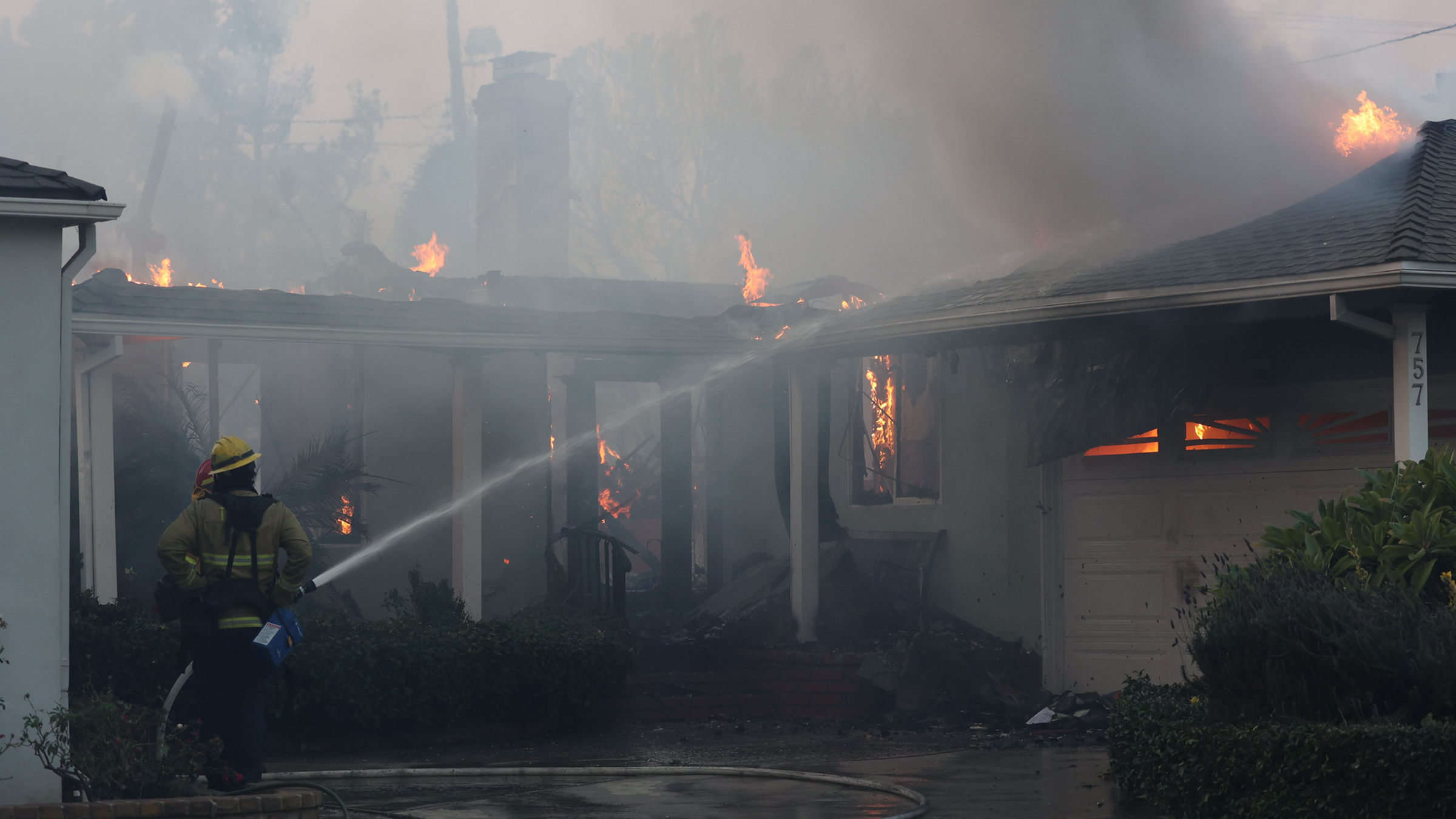
Climate-driven disasters like the 2025 Los Angeles wildfires, Hurricane Helene and extreme hail storms in the Midwest are requiring insurance companies to pay out billions of dollars to policyholders whose homes were badly damaged or completely destroyed.
Insurers have responded by drastically increasing property insurance prices for American homeowners, small businesses and multi-family property owners (who are increasingly passing those costs on to renters). Average home insurance prices rose by 46 percent between 2018 and 2024 — well above the 25 percent inflation rate during that period.
It’s not just higher prices — many Americans are struggling to secure any home insurance at all, as insurers suddenly drop their policyholders and refuse to write new policies in “high risk” communities. The rising prices and lack of available insurance options are leading an increasing number of Americans to risk financial ruin by going without insurance altogether. This insurance chaos is leading to declining home values in many parts of the country, posing immense threat to Americans financial security, government budgets and regional economies.
The insurance industry’s deep ties to Big Oil have long been known: insurers have more than $500 billion invested in fossil fuels and continue to underwrite new fossil fuel projects. But the insurance industry brief in Suncor v. Boulder is the clearest public confirmation yet of where their loyalties lie, and it’s not with the everyday Americans that make up the vast majority of their customer base — and who continue to get stuck paying the full price of Big Oil’s decades of climate deception.
“The real threat to insurance and to the policyholders and members of the public who rely on it comes not from efforts to make responsible parties pay for climate harm, but from climate change itself,” Jones wrote in his brief.